The Jacksonville Port Authority (JAXPORT) announced today that Convoy Beverage Alliance (CBA), a Florida-based warehousing and transportation provider for alcoholic beverage companies, has joined Northeast Florida’s Foreign Trade Zone (FTZ) No. 64. FTZ No. 64 is Florida’s largest FTZ by area and provides cost-saving options for importers.
Through the activation, CBA’s 220,000-square-foot Jacksonville warehouse and distribution center is now eligible for FTZ benefits, including the ability to reduce, defer or eliminate U.S. Customs duties on products imported into the U.S.
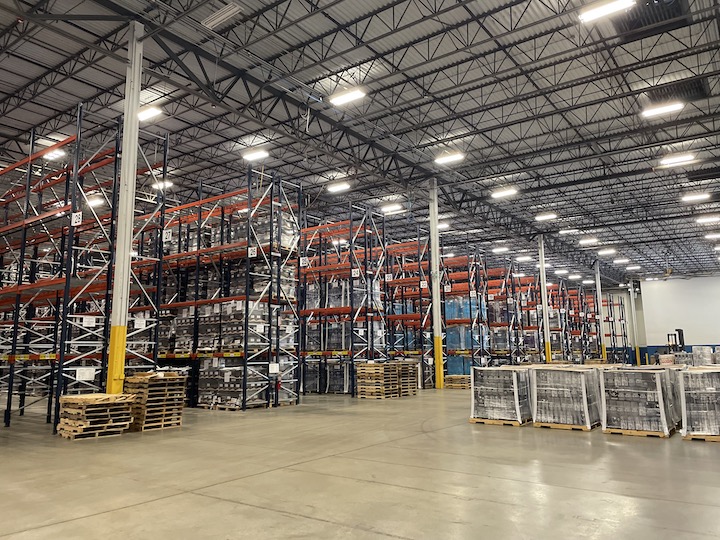
Foreign Trade Zones are federally-designated areas that are inside the U.S. but legally considered outside of U.S. commerce. By joining the FTZ, CBA can defer U.S. Customs’ duties until the imported products clear the zone. Their customers include wineries, alcohol importers, wholesalers, producers, and private collectors who import from all over the world. CBA helps facilitate the beverages’ final delivery to their destination from the warehouse.
“We are excited to grow this new partnership between JAXPORT and CBA that will attract more business to Northeast Florida,” said JAXPORT Foreign Trade Zone Manager Justin Ryan. “Joining the FTZ enables CBA to expand in the Jacksonville market and efficiently serve their customers all over the U.S.”
FTZ 64 covers more than 5,000 square miles throughout 10 counties in Northeast: Eastern Alachua, Baker, Bradford, Clay, Columbia, Duval, Flagler, Nassau, Putnam and St. Johns counties.
FTZ No. 64 operates under the Alternative Site Framework (ASF), which allows warehouses, distribution centers and manufacturers within any of the 10 covered counties to utilize FTZ benefits while operating in their existing facilities. For example, an FTZ can be as small as a single room within a building or as large as a warehouse or entire manufacturing plant.
Any company within the 10-county area service area wanting to take advantage of FTZ benefits must submit an application through JAXPORT and receive designation from the U.S. Foreign-Trade Zones Board and subsequently with U.S. Customs and Border Protection for activation to be an FTZ operator.


