India will continue to push the World trade Organization to ease subsidy rules for its public grain-procurement program at next month’s ministerial meeting, an official said.
The world’s most-populous nation procures grains including wheat and rice from farmers at predetermined prices, and then subsidizes it through the public distribution system to feed the poor. Buying food grains at predetermined prices is considered a subsidy for farmers under WTO rules, and trade distortion by developed countries.
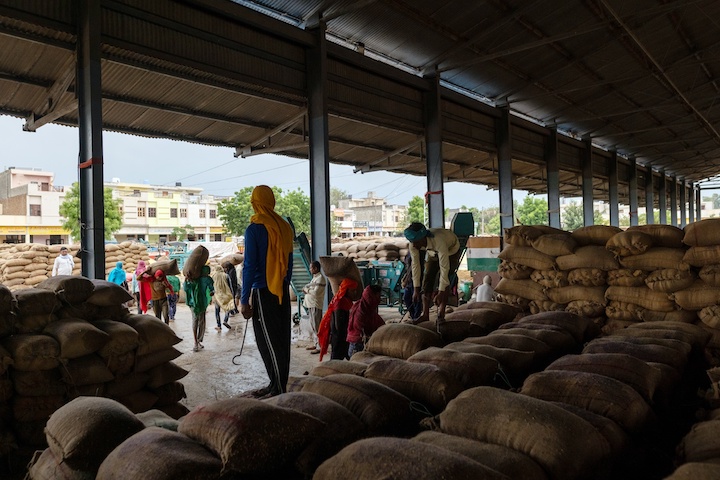
Developed countries have demanded a discussion on export curbs placed by India along with the domestic support it offers to farmers. India has curbed the export of wheat, rice, sugar and onions in a bid to cool domestic food prices ahead of an election this year, raising concerns over food security.
Asia’s third-largest economy will protect its policy space for taking actions such as export bans to ensure food security for its population, the official said.
New Delhi has been seeking a ‘permanent solution’ to the peace clause on public stockholding that was agreed over a decade ago. The clause aimed at shielding developing countries from being legally challenged over the so-called subsidies.
The Geneva-based trade body will hold the 13th ministerial conference — its highest decision-making body — from Feb. 26-29 in Abu Dhabi.