
For centuries, global trade has been a linchpin of the economy of the area now known as Georgia, since even before the colony’s charter was granted in 1732 to Gen. James Oglethorpe.
By the time Oglethorpe led a contingent of 114 adventurous British citizens to a high bluff along the Savannah River on Feb. 12, 1733, Native Americans had long been benefiting from the strategic location.
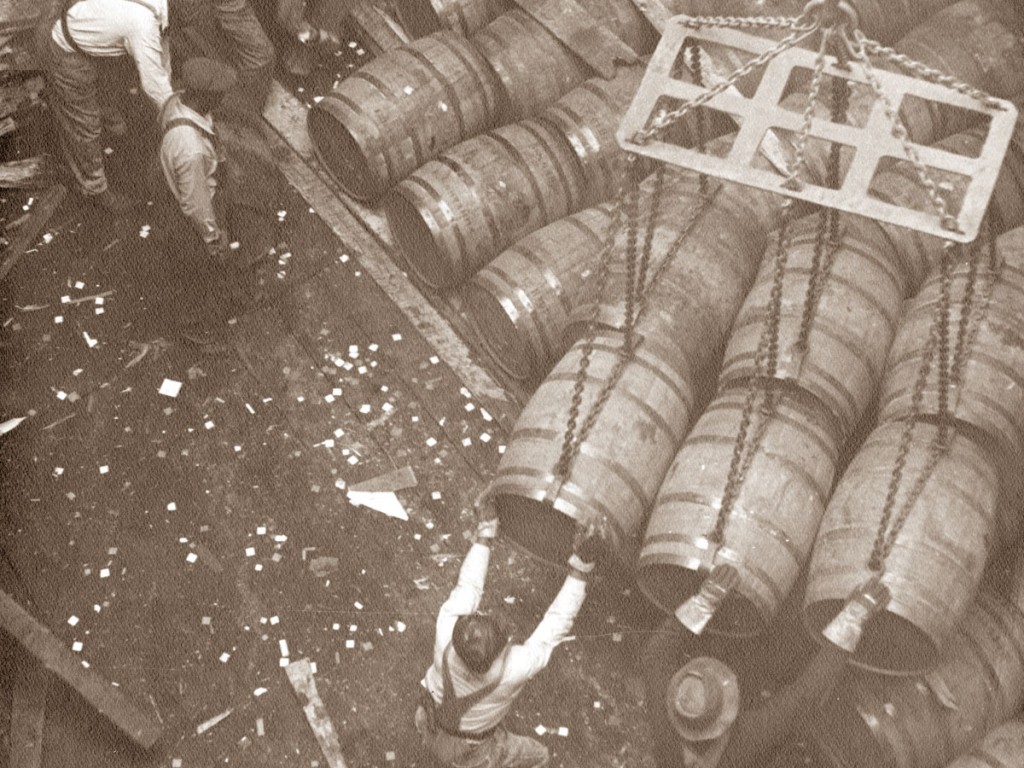
About a year after Georgia, on Jan. 2, 1788, became the fourth state admitted to the Union, President George Washington proclaimed Brunswick to be one of the five original ports of entry for the 13 colonies, and the southern ports of Savannah and Brunswick assumed their time-honored roles as vital contributors to Georgia’s growing economy.
The ending of World War II provided the catalyst for making Georgia’s ports the economic engines they are today. In response to the economic boom, the state legislature created the Georgia Ports Authority on March 9, 1945, giving it ownership and control over the Port of Savannah and, eventually, Brunswick. GPA was charged with fostering both domestic and international commerce throughout the state.
Juggernaut Created
Through a combination of visionary leadership and unwavering state support, GPA has created a juggernaut of efficient global trade, with Garden City Terminal on the Savannah River now the third-busiest gateway in the country for containerized trade, behind only the ports of Los Angeles/Long Beach and New York/New Jersey.
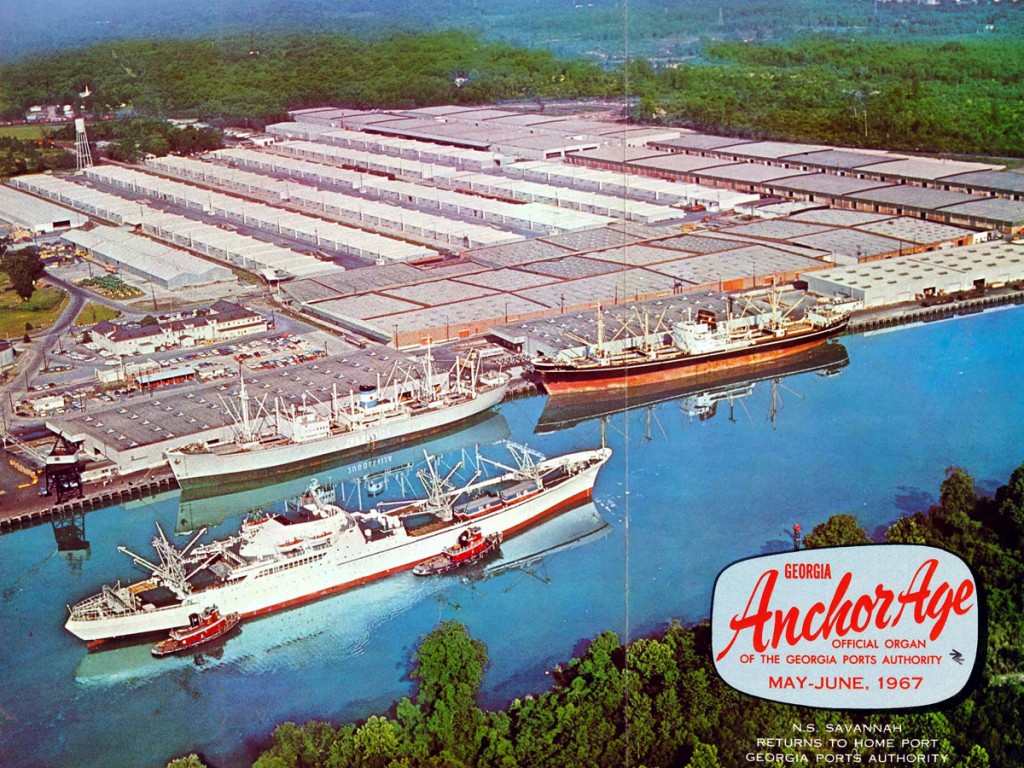
Indeed, Garden City Terminal officially opened for business in 1953, boasting four general cargo berths, two 35-ton gantry cranes, three transit sheds and a tanker berth. By the end of that year, the terminal had handled more than 200,000 tons of cargo and serviced 46 vessels.
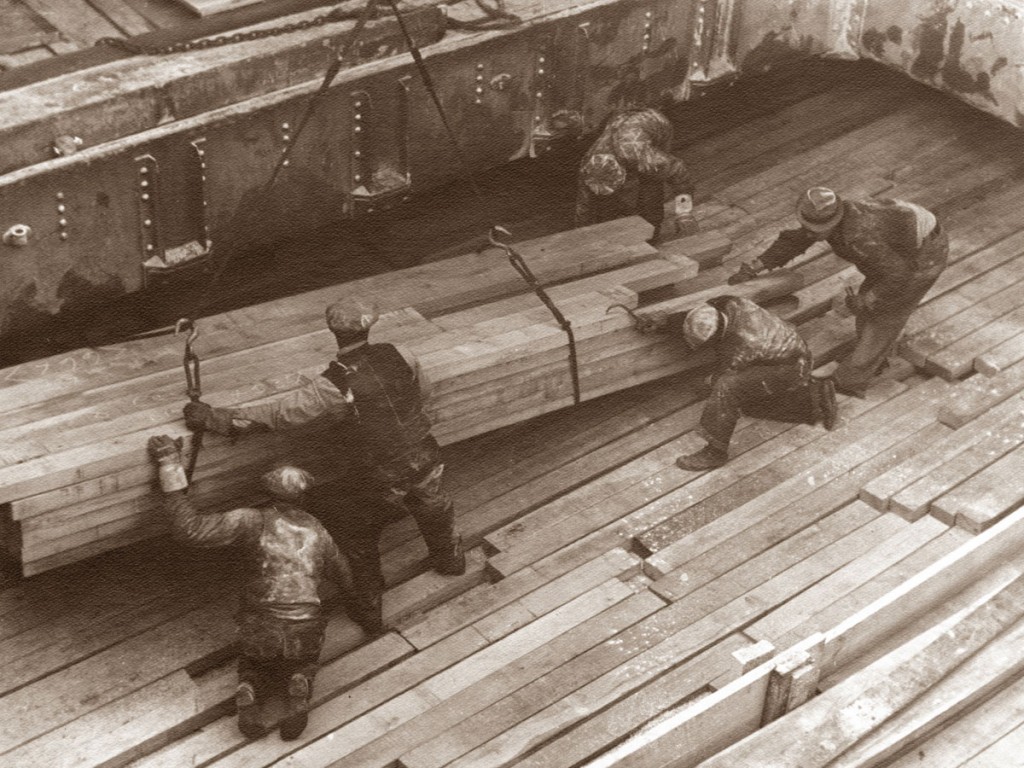
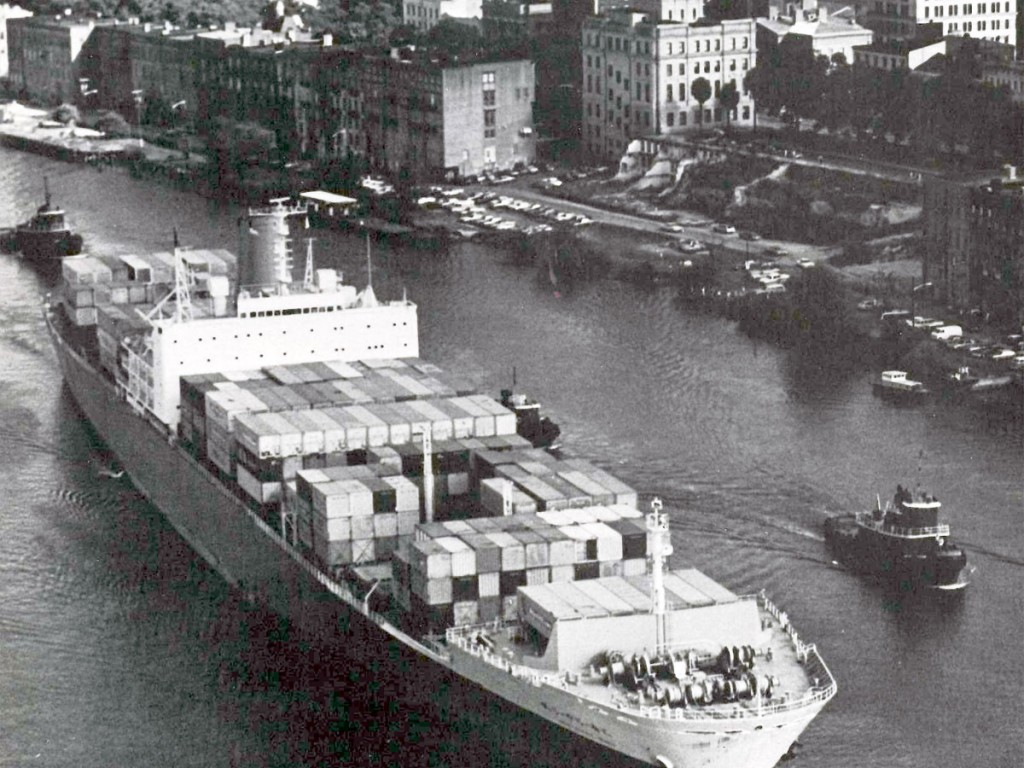
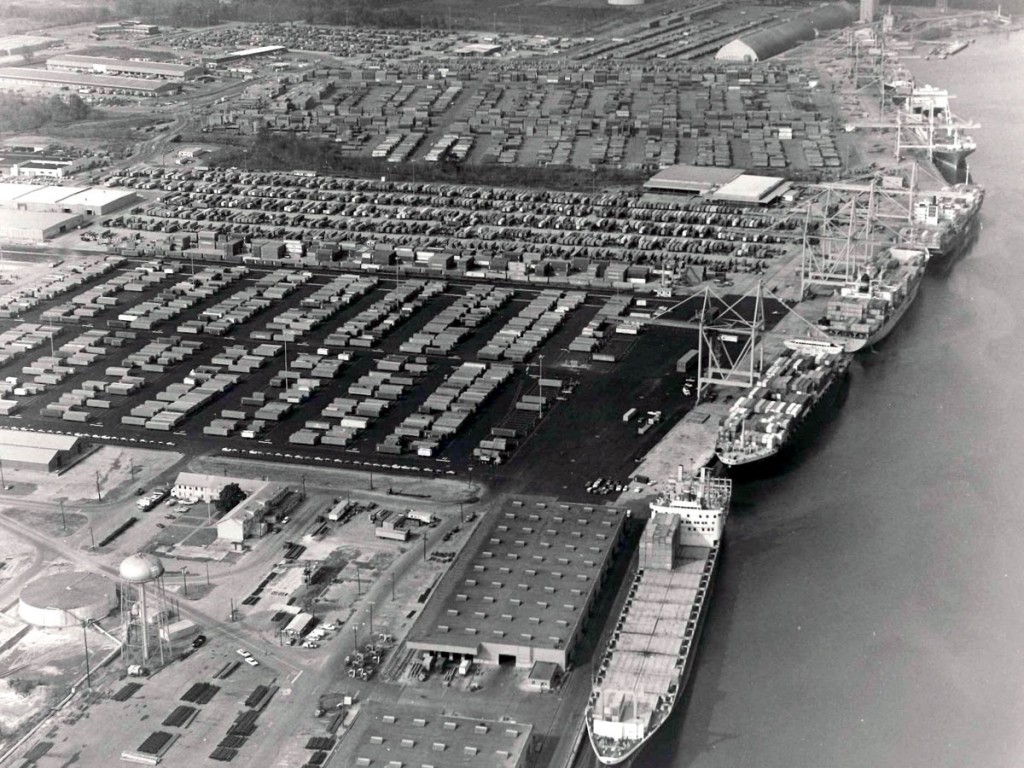
In the mid-1960s, Savannah began to experience the biggest and most sweeping revolution in modern shipping as the first containerized cargo arrived on GPA docks. Recognizing the sea change to come, GPA leadership began construction of the first container berth at Garden City Terminal.
By 1970, Savannah was ranked sixth among U.S. ports. Two years later, Container Berth 1 opened with container service from Japan. A new era in shipping had begun, and plans were immediately made for a second container berth.
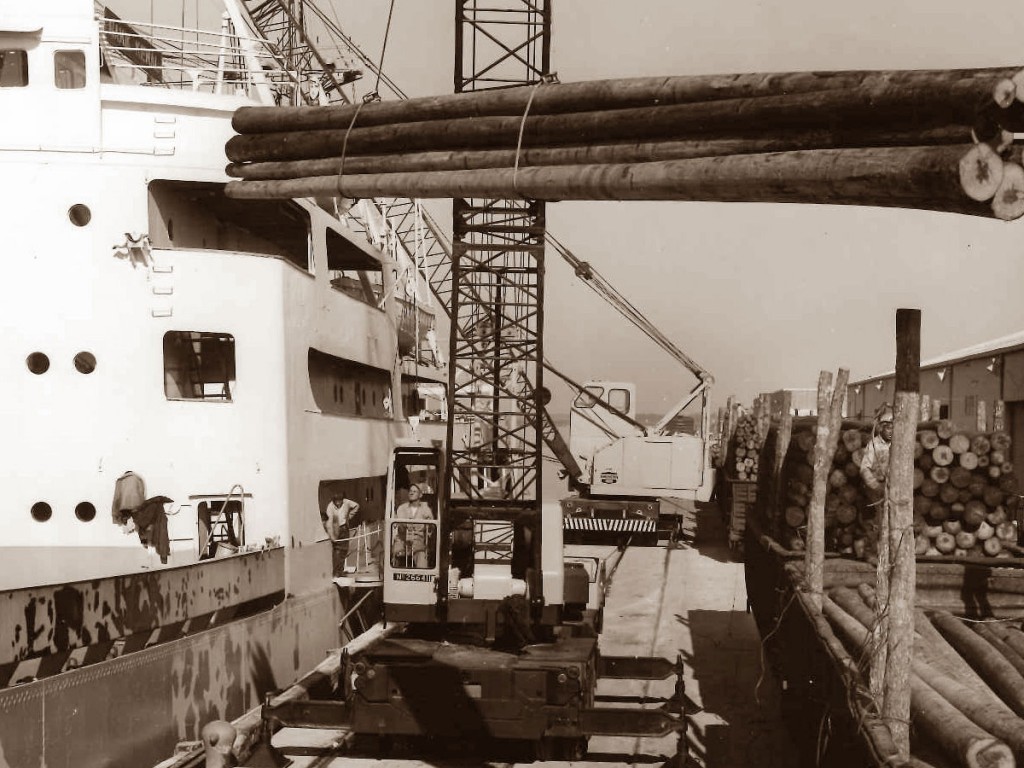
The turn of the century marked several major milestones, including a West Coast dock strike that diverted significant cargo volumes to the East Coast, where Savannah was ready and waiting. Garden City Terminal’s efficient handling of that extra cargo convinced many West Coast shippers to make the diversion permanent.
Cargo Owners Wooed
Perhaps the most significant development around that time was a daring and unique vision shared by Doug Marchand, at the time executive director of the Georgia Ports Authority, and Dick Knowlton, his counterpart at the Savannah Economic Development Authority.
In addition to updating port infrastructure, Marchand began wooing cargo owners themselves – from Walmart to The Home Depot – in addition to the shipping lines, which had been the more traditional targets of port marketing.
As Marchand was courting cargo owners, Knowlton was acquiring large tracts of land near the port to offer sites for warehousing and distribution services. And Crossroads Business Park – the first pre-permitted development of its kind in the nation – was born.
For both Marchand and Knowlton, the project was an expensive and daring leap of faith. But it was the right vision at the right time and, once implemented, it quickly began distancing Georgia’s ports from competitors.
As the Savannah port grew, the need to deepen the harbor became more critical. In 2012, after 15 years of study, the U.S. Army Corps of Engineers approved the Savannah Harbor Expansion Project, or SHEP for short, which aims to deepen the Savannah River to 47 feet at mean low water and enable the port to better accommodate the megaships coming through the expanded Panama Canal.
One of the most important and productive civil works projects in the country, SHEP is currently more than 50 percent complete and already paying major dividends as the Port of Savannah sees more and more regular calls from supersized boxships with capacity to carry as many as 14,000 twenty-foot-equivalent container units.
Brunswick also Prospers
For all the accolades Savannah garners as the third-busiest U.S. gateway for containerized trade and, by some metrics, the fastest-growing containerport in the country, the port shares the GPA spotlight with Brunswick.

Colonel’s Island Terminal at the Port of Brunswick is a major gateway for roll-on/roll-off cargo, both imports and exports. Auto processors and original equipment manufacturers are currently using more than 600 acres on Colonel’s Island for their operations, which include performing quality checks, installing accessories and preparing vehicles for transportation to dealers.
Served by nine ocean carriers, Colonel’s Island features three modern ro/ro berths, with a fourth such berth in the works, and three on-terminal auto processors, serving more than 60 vehicle and heavy equipment manufacturers.
Together, GPA’s terminals support more than 439,000 jobs throughout the state, annually contributing $25 billion in income, $106 billion in revenue and $2.9 billion in state and local taxes to further fuel Georgia’s economy.</lt;<>


