
Is Canada’s canola business a pawn in the U.S.-China trade dispute? Canada’s Prime Minister Justin Trudeau thinks so.
Several components of Canada’s large agricultural industry, including its world-class canola sector, have been caught in the middle of the explosive US-China trade conflict marked by escalating tariffs on each other. The impact is being felt not only on farming communities but could also soon become pronounced at the Port of Vancouver, which handles the great bulk of Canadian commodity trade with China and canola shipments from western Canada. An estimated 40% of canola seed exports last year went to China, worth about C$2.7 billion.
For his part, Prime Minister Justin Trudeau has accused the Chinese government of using Canadian canola as a pawn in its ongoing global wrestling match for supremacy with the United States.
“We know that Canadian canola is the best in the world, is unimpeachable in terms of its quality, and China is simply using phytosanitary concerns as an excuse to prolong what is fundamentally a conflict, not even with Canada but between the two largest economies in the world,” Trudeau said earlier this month. He did not say whether Canada planned to formally challenge the issue at the World Trade Organization (WTO) in Geneva.
Pulled Export Permits
China pulled the export permits from leading Canadian canola exporters in March, and Chinese importers have stopped purchasing Canadian canola seed ever since. Beijing also revoked export permits for two Canadian pork producers.
The ban on Canadian canola was a thinly-veiled retaliation for the arrest at Vancouver airport in December, at Washington’s request, of Huawei CFO Meng Wanzhou on grounds she and her company skirted US sanctions on Iran and stole trade secrets from American companies. Her extradition process is before the courts, and may take a long time to process.
But the Chinese government has gone further to add still more frostiness in the bilateral relationship by detaining and arresting two Canadians – a former diplomat, Michael Kovrig, and businessman Michael Spavor – for allegedly violating national security.
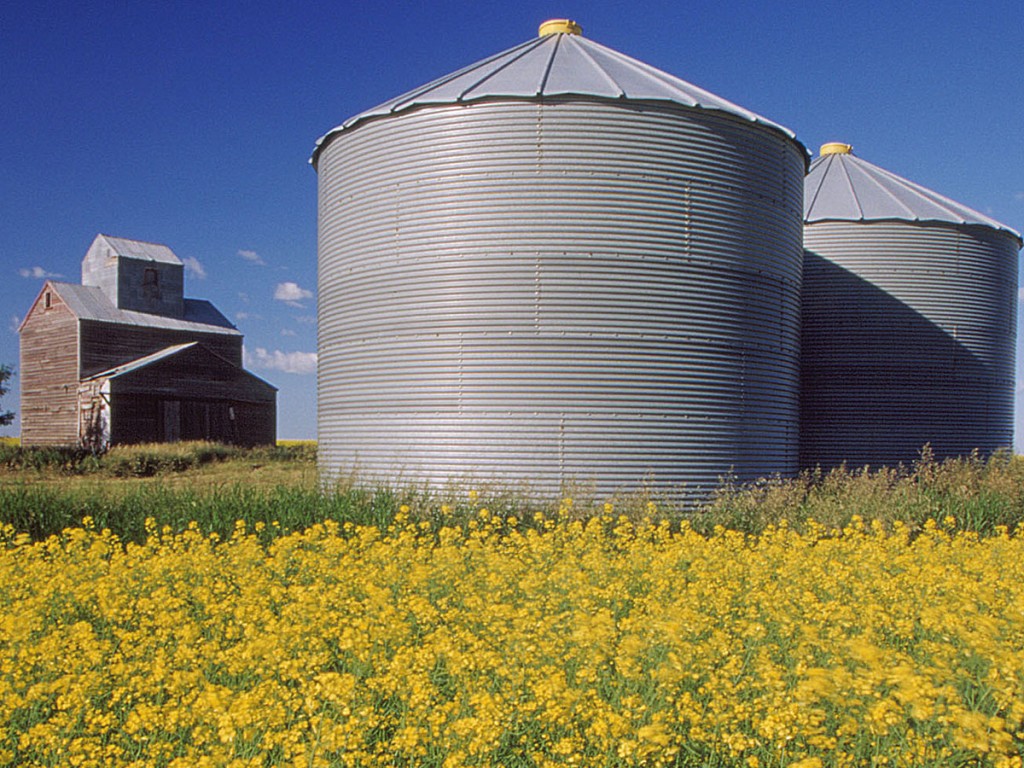
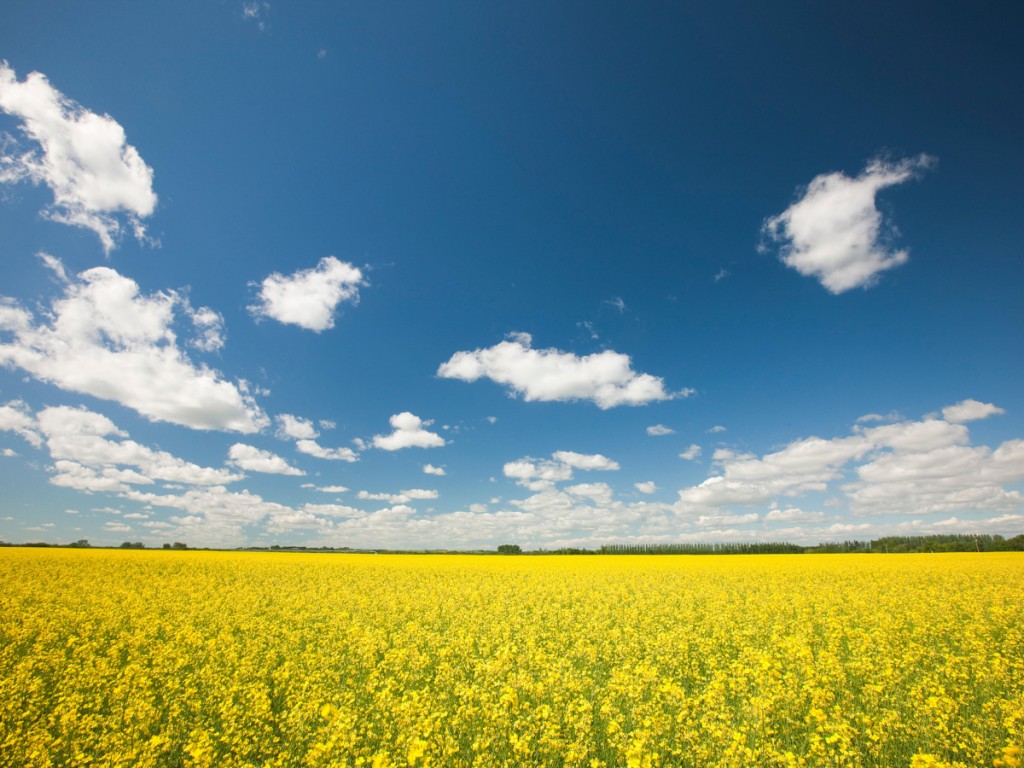
Invented by Canadian researchers in the 1970s, canola is hailed as “Canada’s greatest agricultural success story” by the Manitoba-based Canola Council of Canada (CCC).
In just a few decades, canola has become one of the world’s most important oilseed crops and the most profitable commodity for Canadian farmers, the Council affirms.
The plant belongs to the Brassica genus, the botanical family that includes cauliflower and cabbages. The name canola is a contraction Canada and ola, meaning oil. Canola seeds can be crushed to produce a vegetable oil used in food and cooking. High protein meal produced from canola seed is an excellent animal feed for cattle, poultry and swine.
China Leading Customer for Canadian Canola
Statistics show that Canada is the number one producer and exporter of canola. Canadian farmers grew 23 million acres of canola in 2018. The crop contributes more than C$26 billion to the economy and accounts for nearly 250,000 Canadian jobs. Oilseed, including canola, ranks second (totaling C$6.3 billion) among the top five Canadian agricultural exports after wheat.

Seed imports by China from Canada have climbed significantly from 2.9 million metric tons in 2013 to 4.8 million tons in 2018.
These trends are reflected in the cargo numbers at the Port of Vancouver. Outbound canola shipments to China top all other trading partners, rising from 2.5 million tons in 2016 to 4.3 million tons in 2018. Between 2017 and 2018, the increase was a robust14%.
Thus, until the recent trade blockade, Chinese demand for Canadian canola has been strong, notes the Canola Council. The industry group’s chief executive, Jim Everson, has been urging the Ottawa authorities to resolve the dispute with China before its lingering effect becomes considerable.
Already, farmers in western Canada are planting 1.5 million fewer acres than they did in 2018, according to Jack Froese, a board member of the Manitoba Canola Growers.
Meanwhile, the federal government’s agriculture department recently pledged to offer Canadian canola producers with “the support they need.” This has included changing a special program that advances money against later crop sales. The change raises loan limits to C$1 million from C$400,000, with the interest-free portion boosted to C$500,000 from C$100,000.


