Rio Tinto Group, the world’s biggest producer of iron ore, will deploy zero-emissions trains at its Pilbara mines in Australia from 2023 under a deal with American manufacturer Wabtec Corp.
Wabtec will supply four of its battery-electric FLXdrive locomotives for use at Rio’s mine sites and to transport ore to ports on the West Australian coast. Rio, which has a fleet of around 220 trains in the Pilbara, said the deal would help to meet its target for a 50% reduction in operational emissions by 2030.
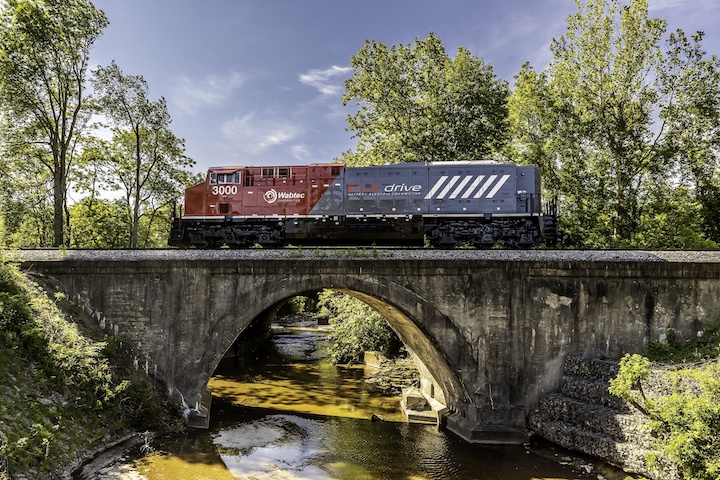
The FLXdrive, which Wabtec says is the world’s first fully battery-powered locomotive, has the potential to cut Rio’s fuel costs and emissions by double digits in percentage terms per train, the companies said in a joint release.
Rio joins other Pilbara ore producers in looking to decarbonize their operations. Wabtec announced in September a deal to supply trains to Roy Hill Holdings Pty Ltd., majority-owned by Australia’s richest woman Gina Rinehart. Fortescue Metals Group Ltd. said last week that it would buy two battery-electric trains from Caterpillar Inc., also to be delivered in 2023.
Rio said in October it would spend $7.5 billion over the next decade on decarbonization projects, including a plan to build a gigawatt of renewable power for its Pilbara mines and exploring the use of battery-powered trucks.
The company, headquartered in London, is also under pressure from investors to cut Scope 3 emissions, generated by its customers in the steel industry, which accounts for about 7% of global emissions. Rio is targeting a reduction in the emissions intensity of its steel-making customers by 30% over the next decade. That’s in line with rival BHP Group, although not as ambitious as Fortescue, which is aiming for net-zero Scope 3 emissions by 2040.